
The transition period between commercial tenants is one of the most critical phases in property management. The stakes are exceptionally high when leasing a commercial space, as a tenant’s first impression of a facility often dictates the trajectory of the landlord-tenant relationship for years to come. When an enterprise signs a lease, they are not just renting square footage; they are securing a foundation for their own business operations, employee safety, and brand identity.
Vacancy periods inevitably drain revenue, creating a natural urgency for property owners to hand over the keys as quickly as possible. However, rushing a new occupant into an unprepared building is a false economy. Skipping essential preparation steps almost guarantees a chaotic move-in, leading to a cascade of early maintenance requests, operational disputes, and a strained relationship right out of the gate. In the worst-case scenarios, an unprepared building can lead to lease violations, withheld rent, or early turnover, sending the property right back into a costly vacancy cycle.
The ultimate solution is a systematic, proactive approach to property preparation. By thoroughly addressing every layer of the building—from the invisible legal parameters and structural integrity to the mechanical systems, daily logistics, and cosmetic finishes—you ensure a seamless handover. This comprehensive guide will walk you through the essential phases of preparing a commercial space, ensuring that when your new occupants open their doors for business, they are stepping into a facility that is safe, compliant, and primed for their success.
Finalize Legal and Administrative Agreements
Before physical work begins on the property, the invisible framework of the lease and municipal compliance must be rock solid. Administrative preparation protects your asset and ensures that the incoming business is legally permitted to operate within your space.
Reviewing Leases and Local Zoning Ordinances
One of the most common pitfalls in commercial property management is assuming that a space previously cleared for one type of business is automatically cleared for another. Municipal zoning codes are constantly evolving, and a building that was grandfathered in for a specific use may lose that status once the property becomes vacant.
You must conduct a thorough audit of the property’s current zoning permits to ensure they align perfectly with the incoming enterprise’s operations. For example, transitioning a space from a light retail storefront to a food production facility or a specialized medical clinic often triggers new municipal requirements regarding parking ratios, fire suppression systems, and accessibility standards.
Furthermore, the lease agreement itself must clearly define the boundaries of maintenance and operational responsibilities. A vague lease is a liability. You should explicitly outline which party is responsible for maintaining the exterior shell, who handles interior fixtures, and what happens if municipal codes change during the lease term. Consulting an expert in commercial real estate law is essential during this phase to draft build-out agreements and lease terms that protect the property owner from unforeseen operational liabilities and ensure total compliance with local statutes.
-
Audit Municipal Codes: Verify the exact zoning classification and check for any recent municipal updates.
-
Define Maintenance Boundaries: Use a matrix to outline landlord versus tenant responsibilities (e.g., landlord covers roof and foundation; tenant covers interior lighting and plumbing fixtures).
-
Verify Business Licenses: Ensure the incoming enterprise has obtained all necessary local and state licenses to operate in that specific jurisdiction before they occupy the space.
Finalizing Tenant Build-Out Allowances
When an occupant negotiates a Tenant Improvement (TI) allowance, the parameters of that construction must be locked down before the keys are handed over. Without strict guidelines, tenant-led renovations can cause structural damage, code violations, or delays that impact the entire property.
Establish clear timelines for when construction can occur, especially if the building has other occupants who might be disturbed by noise or utility shutoffs. Define the budget disbursement process—whether you are paying contractors directly or reimbursing the tenant upon completion. Most importantly, provide a vetted list of approved contractors. By requiring the use of professionals who are already familiar with the building’s specific quirks and systems, you minimize the risk of accidental damage to the property’s infrastructure during the build-out phase.
Secure the Building’s Shell and Foundation
The physical envelope of the building is your primary defense against the elements and the foundation upon which all interior operations rest. If the shell is compromised, everything inside is at risk.
Inspecting the Foundation and Concrete Surfaces
Commercial facilities endure heavy punishment. Warehouses, retail centers, and industrial spaces are subjected to the constant stress of heavy machinery, pallet jacks, delivery trucks, and high volumes of foot traffic. Over time, previous tenant use and extreme weather fluctuations can severely degrade floors, loading docks, and exterior pedestrian walkways.
A compromised concrete surface is more than just an aesthetic issue; it is a severe safety hazard and an operational bottleneck. Uneven floors can cause forklifts to tip, while cracked walkways invite slip-and-fall lawsuits. Before the new occupant moves in their equipment and inventory, conduct a rigorous inspection of all concrete surfaces. Look for spalling, deep fissures, or areas where the slab has settled unevenly. It is highly advisable to preemptively schedule commercial slab repairs to address these tripping hazards, fix leveling issues, and fill cracks. Doing this while the building is empty is significantly faster and less expensive than trying to coordinate concrete curing times around an active business’s operating hours.
-
Load Testing: Ensure the floor weight capacity matches the new occupant’s equipment needs.
-
Dock Leveler Inspection: Test all mechanical dock levelers and inspect the concrete pits housing them for structural integrity.
-
Walkway Assessments: Check all pedestrian approaches for ADA compliance and smooth transitions.
Evaluating and Maintaining the Weather Barrier
The building’s exterior envelope must be absolutely watertight. Water intrusion is the silent killer of commercial properties, leading to toxic mold, ruined inventory, and structural rot.
Break down your exterior inspection into a methodical checklist. Start by examining all window and door seals, replacing any caulking that has dried or pulled away. Clear all gutters, scuppers, and downspouts of debris that may have accumulated during the vacancy period. Finally, turn your attention to the roof. You should bring in professional commercial roofing contractors to conduct a comprehensive moisture scan, evaluate the condition of the membrane, check all flashing around HVAC units, and patch minor leaks. Identifying and resolving a minor membrane puncture now will prevent a disastrous, multi-thousand-dollar flood from destroying the incoming occupant’s valuable inventory during the next heavy storm.
Optimize Perimeter Security and Access Control
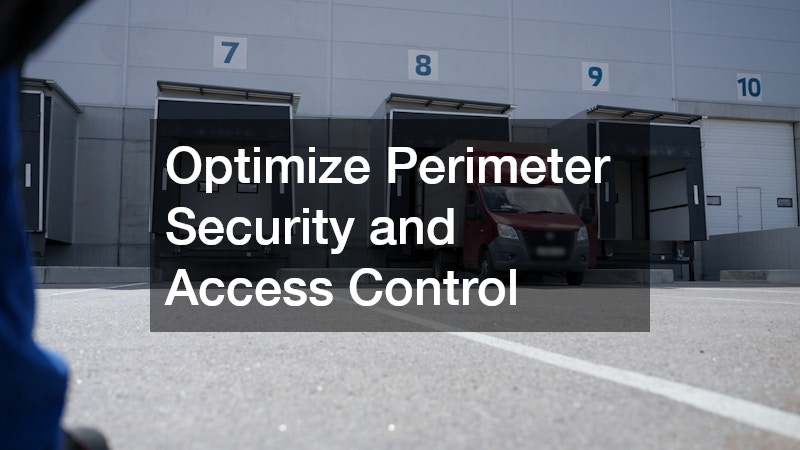
Modern businesses require modern security solutions. Protecting the perimeter and controlling who has access to the facility is paramount for the safety of employees and the security of physical assets.
Upgrading Entry Points and Automation
The days of handing over a massive ring of physical brass keys are largely over. Physical keys pose a significant security risk; they can be easily duplicated, and when an employee leaves the company, the only way to guarantee security is to rekey the entire building.
Transitioning the property to keycard, fob, or biometric entry systems offers a massive upgrade in security and convenience. These access control systems allow the new business to track exactly who enters the building and at what time. Furthermore, if a credential is lost or an employee is terminated, access can be revoked instantly via software without changing a single physical lock. Upgrading these systems during the vacancy period allows you to run necessary low-voltage wiring through walls and door frames without disrupting daily operations.
-
Audit All Exterior Doors: Check hinges, automatic closers, and crash bars for proper functionality.
-
Install Smart Access Control: Implement centralized software that allows for easy credential management.
-
Evaluate Surveillance: Ensure exterior cameras cover all entry points, blind spots, and parking areas without visual obstruction.
Establishing Clear Traffic Flow for Vehicles
Security isn’t just about doors and windows; it extends to the property line. For properties with dedicated parking lots, shipping yards, or loading zones, establishing clear and secure traffic flow is essential.
Incoming businesses, particularly those involving logistics, manufacturing, or high-value retail, need to know that their shipping and receiving areas are strictly controlled. Evaluate the current fencing and access gates. Installing or upgrading a commercial gate operator provides the new occupant with seamless, secure vehicle access control during off-hours, ensuring that unauthorized vehicles cannot enter the loading docks or employee parking areas. Clear signage, freshly painted directional arrows, and secure vehicular choke points create an organized, safe environment that immediately instills confidence in your new occupant.
Overhaul Mechanical and Climate Systems
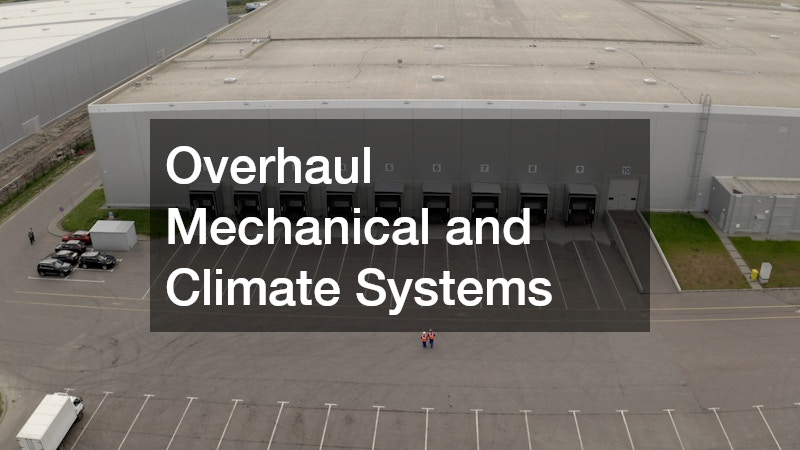
A building’s mechanical systems are its lungs and heartbeat. If the indoor climate is uncomfortable or the air quality is poor, tenant satisfaction will plummet immediately, regardless of how beautiful the space looks.
Scheduling Comprehensive Climate System Audits
Poor air quality, erratic temperature fluctuations, and stuffy environments are consistently ranked as the leading causes of commercial tenant complaints. When a building sits vacant, dust accumulates in the ductwork, system lubricants can dry out, and thermostats can lose their calibration.
Handing over a building with a neglected HVAC system is a recipe for disaster. It is highly recommended to partner with a reliable commercial hvac company to perform a deep-dive audit of the entire climate control system prior to move-in. This should include deep-cleaning the ductwork to remove allergens and dust, chemically cleaning the evaporator and condenser coils, replacing all worn belts, and installing fresh, high-efficiency particulate air filters. Additionally, thermostats should be recalibrated or upgraded to smart, programmable models that will help the new occupant manage their utility costs effectively.
-
Duct Cleaning: Remove settled dust to prevent it from blowing onto new inventory and employees on day one.
-
Thermostat Calibration: Ensure temperature readings are accurate across different zones of the building.
-
Coil and Condenser Maintenance: Clean exterior units of debris, leaves, and dirt to maximize energy efficiency.
Addressing Cold-Weather Readiness
Depending on your geographic location, preparing a building for new occupants must include rigorous seasonal readiness, particularly concerning cold weather. A sudden freeze can burst pipes, flood the facility, and cause catastrophic operational downtime.
Create a strict checklist for winterizing the building’s infrastructure. This includes inspecting the insulation on all exposed water lines, particularly those located in unheated areas like warehouses, basements, or exterior walls. Test the emergency boiler systems and ensure that freeze-protection alarms are fully functional. Handling proactive commercial heating repair during a vacancy is significantly cheaper, easier, and less disruptive than attempting to fix a broken furnace or a cracked boiler while the tenant is actively operating their business in freezing temperatures.
Modernize Power Capabilities and Lighting
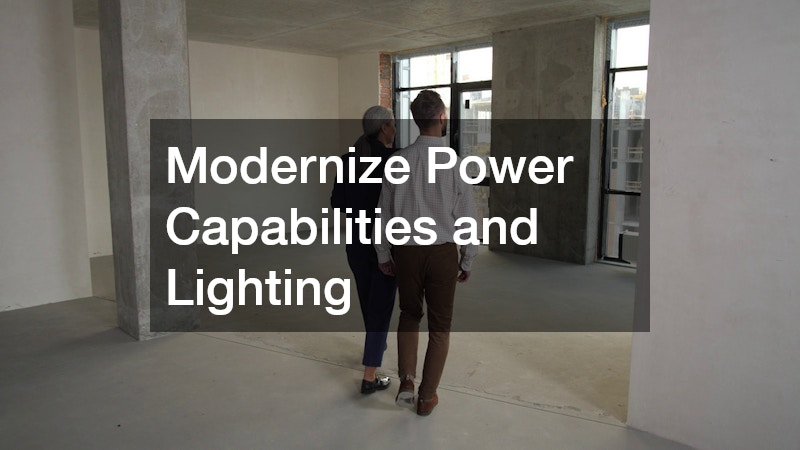
The operational demands of modern businesses are vastly different than they were even a decade ago. Adequate power and efficient lighting are no longer luxuries; they are fundamental requirements for productivity.
Updating Panels to Meet Modern Tech Demands
Whether your new occupant is a high-tech software firm, a specialized medical testing facility, or an advanced manufacturing plant, their reliance on consistent, high-capacity electricity is absolute. Older buildings frequently suffer from outdated electrical panels that simply cannot handle the load of modern server racks, specialized machinery, and hundreds of daily-use devices.
Before the new occupants begin installing their sensitive equipment, property managers must hire licensed commercial electricians to conduct a full audit of the panel capacity. This ensures the building can safely support the incoming electrical load without tripping breakers or risking an electrical fire. This is also the ideal time to run dedicated circuits for server rooms, install specialized outlets required for heavy machinery, and verify that the building’s grounding systems meet current safety codes.
-
Load Calculations: Match the building’s amperage capacity to the tenant’s projected equipment usage.
-
Dedicated Circuits: Ensure sensitive IT infrastructure has isolated power sources to prevent data loss.
-
Safety Inspections: Check for outdated aluminum wiring, scorch marks in the panel, or overloaded breakers.
Transitioning to Energy-Efficient LED Fixtures
Lighting profoundly impacts both the aesthetic appeal of a space and the bottom line of the business operating within it. Fluorescent tubes are outdated, prone to flickering, and consume an unnecessary amount of electricity.
Retrofitting the entire facility with energy-efficient LED fixtures is one of the highest ROI improvements a property owner can make. LEDs provide cleaner, brighter light that improves employee productivity and safety in warehouse environments. Furthermore, integrating smart lighting controls, such as motion sensors in restrooms, breakrooms, and storage areas, drastically lowers utility overhead. Highlighting these modern, eco-friendly lighting systems serves as a major selling point and demonstrates to the incoming business that the building is optimized for their financial success.
Establish Effective Waste and Site Maintenance Protocols
The logistical, day-to-day operations of a building often go unnoticed until they fail. Establishing seamless waste disposal and janitorial protocols ensures the property remains sanitary, safe, and pleasant to inhabit.
Designing Efficient Disposal Workflows
Every business generates waste, but the profile of that waste varies drastically from one industry to another. A high-volume restaurant will produce heavy, organic waste requiring frequent removal to prevent pests, while a logistics distribution center will generate massive volumes of recyclable cardboard and shrink wrap. A corporate office will primarily produce paper and standard breakroom trash.
It is your responsibility to ensure the infrastructure can handle the specific output of the incoming business. You must design an appropriate schedule and secure the right capacity for commercial dumpster and trash pickup that perfectly aligns with the tenant’s daily volume. This might involve expanding the exterior trash corral, setting up dedicated cardboard compactors, or arranging for specialized hazardous waste removal if the tenant is in the medical or chemical manufacturing sector. Properly scaling the waste workflow prevents overflowing bins, which are an eyesore, a health hazard, and a frequent source of municipal fines.
-
Analyze Waste Profiles: Determine the ratio of standard trash to recycling based on the occupant’s industry.
-
Secure Trash Enclosures: Ensure exterior dumpsters are locked and shielded from public view to maintain curb appeal.
-
Schedule Optimization: Coordinate pickup times so garbage trucks do not block employee or customer traffic during peak hours.
Streamlining Janitorial Readiness
A pristine building sets the standard for how the new occupant will treat the space. If they move into a spotless environment, they are psychologically primed to maintain that standard.
Preparing the facility goes beyond a final vacuuming. You must prep the utility closets, ensuring that mop sinks are functional and that there is adequate shelving for cleaning supplies. Setting up permanent sanitation stations—such as hand sanitizer dispensers in high-traffic corridors and proper trash receptacles in restrooms—streamlines daily maintenance. Outfitting the facility with a robust starter supply of bulk commercial industrial supplies (including heavy-duty floor cleaners, degreasers for industrial spaces, and premium restroom paper products) facilitates a seamless move-in process and allows the occupant’s janitorial staff to hit the ground running on day one.
Final Aesthetics and Protective Assurances
With the legalities settled, the structure secured, and the mechanicals humming, the final phase focuses on the visual impact and providing the new occupant with total peace of mind.
Applying Fresh Paint and Protective Sealants
Never underestimate the psychological impact of a deep clean and fresh aesthetic finishes. Scuffed walls, faded paint, and stained floors send a subconscious message of neglect.
Applying fresh, neutral coats of paint throughout the facility instantly brightens the space and makes it feel brand new. In industrial and warehouse settings, this is also the time to apply protective epoxy sealants to the concrete floors. A newly sealed floor not only looks professional and reflects light better, but it also prevents oil stains, resists chemical spills, and is significantly easier for the occupant to sweep and maintain. Paying attention to these final cosmetic details shows the incoming business that you take pride in your property.
Guaranteeing Top-Level Structural Sign-off
Trust is the foundation of a long-term lease. On move-in day, the occupant should receive more than just a set of keys; they should receive a comprehensive “building health” packet that serves as documented proof of the property’s prime condition.
This handover packet should include all warranties for new equipment, the schedules for upcoming preventative maintenance, and emergency contact numbers for property management. To assure the new tenant that the building is fully protected from the top down, you should include a recent inspection certificate or a signed preventative maintenance contract from a trusted commercial roofing company. Providing this level of transparent, documented assurance on day one eliminates anxiety, builds immediate goodwill, and sets the stage for a cooperative, mutually beneficial partnership for the duration of the lease.
Conclusion
Preparing a facility for a new occupant is a multifaceted endeavor that requires meticulous attention to detail and a commitment to quality. By moving methodically and chronologically through legal preparations, structural fortifications, mechanical overhauls, and final aesthetic touches, property owners can transform a stressful transition period into a streamlined, professional handover.
Investing the time and resources into this rigorous preparation is not merely an operational expense; it is a direct investment in long-term retention. When an enterprise steps into a space that is legally compliant, mechanically sound, and visually pristine, they are empowered to focus entirely on their business operations rather than battling facility issues. A well-maintained building inherently encourages those inside to treat the property with equal respect and care. Moving forward, consider formalizing these steps into a standardized turnover checklist to ensure that every future transition is handled with the same level of excellence, safeguarding your asset and maximizing your leasing success.