When people think about infrastructure, they often picture highways, bridges, power lines, and water systems. While those are critical components, they only tell part of the story. Beneath the surface of every functioning community is a network of small businesses that quietly support daily operations, economic flow, and long-term stability.
From specialized retail to essential services, these businesses create a framework that allows cities and towns to function smoothly. They provide materials, maintain structures, support logistics, and offer everyday services that people rely on more than they realize. Understanding how these businesses contribute to local infrastructure reveals just how interconnected and vital they are.
The Role of Small Businesses in Community Infrastructure
Infrastructure isn’t just about physical systems—it’s about usability, accessibility, and sustainability. Small businesses help bridge the gap between large-scale systems and everyday life. They ensure that buildings are maintained, goods are distributed, and services are accessible at the neighborhood level.
A local roofing contractor, for example, plays a direct role in protecting homes and commercial buildings. Without proper roofing, structures become vulnerable to weather damage, energy inefficiency, and long-term deterioration. Similarly, a local paving company ensures that driveways, parking lots, and access roads remain safe and functional, supporting transportation on a smaller but essential scale.
Even services that may seem niche at first glance are part of this infrastructure network. Local chimney cleaners contribute to fire prevention and air quality, helping maintain safe heating systems in homes and businesses. These services reduce risks and extend the lifespan of critical building components.
Supporting Transportation and Logistics at the Local Level
Transportation infrastructure doesn’t end with highways and public transit systems. Small businesses play a crucial role in keeping goods and equipment moving efficiently within a community.
A trailer dealer supports contractors, landscapers, and small business owners who rely on hauling equipment, materials, and supplies. Without access to trailers and related equipment, many trades would struggle to operate effectively, slowing down projects that contribute to local development and maintenance.
These businesses enable flexibility and mobility, allowing smaller operations to participate in larger infrastructure systems. Whether it’s transporting roofing materials, paving equipment, or restaurant supplies, logistics depend heavily on these localized providers.
Maintaining Buildings and Property Value
The condition of residential and commercial buildings directly impacts the strength of a community’s infrastructure. Small businesses that specialize in maintenance and repair help preserve property value and ensure long-term usability.
Roofing, paving, and chimney maintenance services all contribute to structural integrity. A well-maintained roof prevents water damage and energy loss, while properly paved surfaces improve accessibility and safety. Chimney cleaning ensures heating systems function correctly and reduces the risk of dangerous buildup.
Together, these services form a maintenance ecosystem that supports both individual property owners and the broader community. When buildings are properly maintained, neighborhoods remain stable, businesses can operate without interruption, and infrastructure systems experience less strain.
Everyday Services That Support Daily Life
Infrastructure is also about meeting everyday needs. Small businesses provide services that make daily routines possible, especially in densely populated or urban areas.
A coin laundromat is a perfect example. While often overlooked, laundromats provide essential access to clean clothing for residents who may not have in-home laundry facilities. This is especially important in apartment complexes and older housing where space or plumbing may be limited.
These businesses support public health, convenience, and quality of life. Without them, many residents would face significant challenges in maintaining basic standards of cleanliness and comfort.
Specialized Retail as Part of the Economic Framework
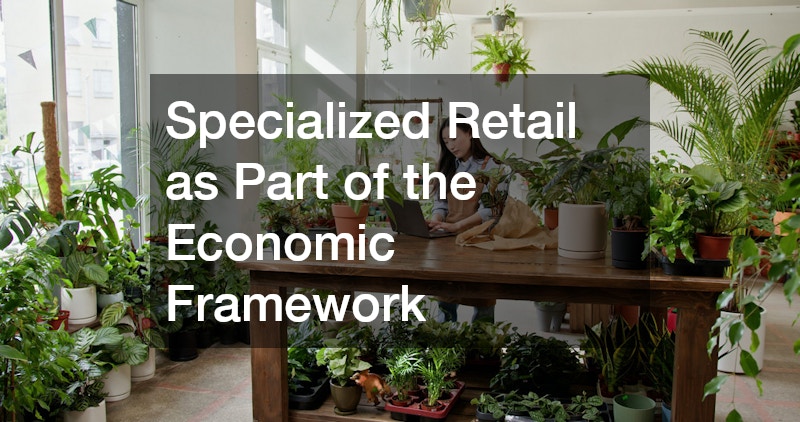
Retail businesses also play a role in infrastructure by supporting economic circulation and providing regulated access to goods. While they may not be classified alongside roads or utilities, their presence ensures that communities have consistent access to products, services, and economic activity at a local level.
A thriving economy contains businesses of all kinds. A smoke shop, gun store, and card shop might each serve distinct markets, but they all contribute to the local economy. These businesses create jobs, generate tax revenue, and provide access to products that are part of consumer demand. They also attract foot traffic to commercial areas, which benefits nearby businesses and helps sustain retail districts. When people visit one store, they often patronize others nearby, creating a ripple effect that supports the broader business ecosystem.
In addition, they often operate within regulatory frameworks that require compliance with local laws and safety standards. This adds another layer of structure to the community, ensuring that goods are distributed responsibly and legally. For example, businesses that sell regulated products must follow strict guidelines related to licensing, age restrictions, and security measures. This not only protects consumers but also reinforces accountability within the local marketplace.
Retail diversity also strengthens economic resilience. When communities support a wide range of businesses, they are better equipped to withstand economic shifts and changing consumer behavior. If one sector experiences a slowdown, others can help stabilize the local economy by continuing to generate revenue and employment opportunities.
Beyond economics, these businesses also contribute to the identity and culture of a community. Specialty retail stores often reflect local interests, hobbies, and values, helping create a sense of place that distinguishes one area from another. This cultural element can attract visitors, encourage local pride, and further support economic growth.
Additionally, retail businesses often serve as informal community hubs. Customers return regularly, build relationships with owners and staff, and engage in conversations that strengthen social connections. This human element, while less tangible than physical infrastructure, plays an important role in creating cohesive and vibrant communities.
By supporting both economic activity and community engagement, retail businesses reinforce the infrastructure that keeps towns and cities functioning smoothly.
The Role of Secondary Markets and Resource Circulation
Not all infrastructure is physical—some of it is financial. Small businesses that facilitate buying and selling play an important role in keeping resources circulating within a community.
A jewelry buyer contributes to this system by purchasing valuable items from individuals and reintroducing them into the market. This creates liquidity for residents and supports a secondary economy that reduces waste and maximizes resource use.
These types of businesses help people access funds quickly while also ensuring that valuable materials remain in circulation. This contributes to economic stability and sustainability at the local level.
Supporting Food Systems and Commercial Operations
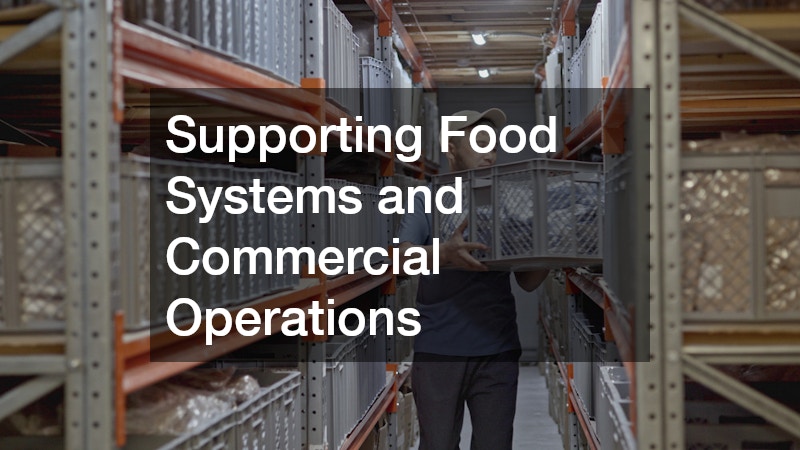
Food infrastructure is another critical component of community life, and small businesses are deeply involved in supporting it. While grocery stores and restaurants are the most visible parts of this system, there is an entire network operating behind the scenes to ensure food is prepared, stored, and served safely and efficiently.
A local restaurant supply business ensures that restaurants, cafes, and food service providers have access to the equipment and materials they need to operate. From kitchen tools to bulk ingredients and packaging supplies, these businesses keep food systems running efficiently. They also provide specialized items such as commercial-grade appliances, sanitation products, and storage solutions that are essential for meeting health standards and maintaining smooth kitchen operations.
Beyond simply supplying goods, these businesses often act as partners to restaurant owners. They help businesses scale, adapt to changing demand, and maintain consistency in their offerings. Whether it’s sourcing reliable inventory, recommending equipment upgrades, or ensuring timely deliveries, their role is deeply integrated into the success of local food establishments.
Without reliable suppliers, restaurants would struggle to maintain consistency, quality, and safety. This would impact not only business owners but also the broader community that depends on accessible dining options. Delays in supplies, shortages of key ingredients, or lack of proper equipment can quickly disrupt service, leading to lost revenue and reduced customer trust.
Additionally, food infrastructure plays a key role in supporting local employment. Restaurants and cafes rely on steady operations to provide jobs, and supply businesses help make that possible. When supply chains are strong at the local level, it reduces dependency on distant distributors and creates a more stable, self-sufficient system.
By supporting food service operations, these businesses help sustain one of the most visible and essential parts of local infrastructure. Their contribution ensures that communities have reliable access to food, supports local economies, and reinforces the systems that keep daily life running smoothly.
Interconnected Systems That Keep Communities Running
What makes small businesses so powerful in supporting infrastructure is how interconnected they are. Each business contributes to a larger system, often relying on one another to function effectively.
For example, a roofing contractor may depend on a trailer dealer to transport materials. A paving company may work on projects that improve access to retail locations like a smoke shop or card shop. Restaurants rely on supply businesses, which in turn depend on transportation and logistics providers.
Even seemingly unrelated businesses are part of the same network. A laundromat supports residents who work in restaurants or construction. A jewelry buyer provides financial flexibility that can help individuals invest in home repairs or business opportunities.
This web of connections creates a resilient and adaptable infrastructure that goes far beyond physical systems.
The Impact on Local Economies
Small businesses don’t just support infrastructure—they strengthen local economies. By creating jobs, generating revenue, and keeping money circulating within the community, they contribute to long-term economic health.
When residents support local businesses, they are indirectly investing in the infrastructure that supports their daily lives. Strong local economies lead to better-maintained properties, more reliable services, and increased opportunities for growth.
This creates a positive cycle where businesses and communities support one another, reinforcing the foundation of local infrastructure.
Resilience Through Diversity and Accessibility
One of the greatest strengths of small businesses is their diversity. A community with a wide range of services is better equipped to handle challenges and adapt to change.
Whether it’s accessing a laundromat during a housing transition, relying on a roofing contractor after a storm, or visiting a local restaurant supply provider to keep a business running, these services provide stability during uncertain times.
Accessibility is another key factor. Small businesses are often located within neighborhoods, making them easier to reach and more responsive to local needs. This proximity enhances their role in infrastructure by ensuring that services are available when and where they are needed most.
How Small Businesses Strengthen Long-Term Community Planning
Beyond daily operations, small businesses also play a role in long-term infrastructure planning and development. As communities grow, the demand for reliable services increases, and local businesses adapt to meet those needs.
Contractors, paving professionals, and maintenance providers often work alongside developers and municipalities to improve infrastructure over time. Their on-the-ground experience provides valuable insight into what communities actually need, from better road access to improved building durability.
At the same time, service-based businesses like laundromats and supply companies help determine how neighborhoods evolve. Their presence can influence where people live, work, and invest, shaping the layout and functionality of entire areas.
This makes small businesses not just participants in infrastructure—but contributors to its future direction.
Why These Businesses Matter More Than You Think
It’s easy to overlook the role of small businesses in infrastructure because their contributions are often subtle and behind the scenes. However, their impact is felt in every aspect of daily life.
From maintaining buildings and supporting transportation to enabling economic activity and providing essential services, these businesses form the backbone of functional communities. They fill the gaps that large systems cannot address on their own, creating a complete and balanced infrastructure network.
Recognizing their importance is the first step toward supporting them. By choosing local services and understanding their role, communities can ensure that these critical businesses continue to thrive.
Support Your Local Community and Those Around You
Infrastructure is more than just roads and utilities—it’s a complex system supported by countless small businesses working together. From construction and maintenance to retail, logistics, and everyday services, these businesses provide the foundation that keeps communities running.
A smoke shop, jewelry buyer, trailer dealer, gun store, coin laundromat, card shop, local roofing contractor, local paving company, local chimney cleaners, and local restaurant supply business may seem unrelated at first glance. But together, they form a network that supports economic activity, public safety, and daily convenience.
By recognizing and supporting these businesses, communities can strengthen their infrastructure from the ground up. The next time you think about what keeps your city running, look beyond the highways and utilities—you’ll find that small businesses are doing more than you ever realized.