Running a small or mid-sized company takes much more than a great product or a loyal customer base. Behind every thriving storefront, busy office, or expanding warehouse sits a network of practical support services. When an enterprise outgrows its early startup habits, founders often realize they cannot handle every operational task on their own. Trying to manage taxes, server upgrades, building repairs, and employee paperwork after hours quickly leads to burnout and costly mistakes. Smart leaders solve this problem by bringing in outside specialists who handle the heavy lifting while internal teams stay focused on core revenue work.
Financial clarity usually comes first when a company begins to scale. Hiring a dedicated accounting service gives owners accurate monthly books, clean tax filings, and realistic cash flow projections instead of shoeboxes full of receipts. Cash flow tells the real story. With reliable numbers in front of them, managers can decide when to hire new staff, buy equipment, or open a second location without guessing.
Technology demands grow right alongside financial complexity. Partnering with dependable IT services keeps company networks secure, backs up sensitive client records, and prevents minor software glitches from halting an entire workday. When systems run reliably, employees spend their energy serving customers instead of troubleshooting frozen screens.
Planning a Physical Move Without Losing Momentum
Outgrowing an initial workspace is an exciting milestone, yet relocating an active business carries plenty of stress. Packing up desks, conference tables, and inventory while still serving clients requires strict scheduling and careful coordination. Experienced office movers know how to label workstations, transport delicate electronics, and set up furniture over a weekend so employees can sit down and work on Monday morning. Their systematic approach prevents damaged equipment and avoids weeks of lost productivity.
Any major transition also changes a company’s risk profile in ways that are easy to overlook during a busy move. Before signing a new commercial lease or hauling expensive gear across town, leadership teams should consult a knowledgeable business insurance agency to review their coverage. Adding square footage, hiring delivery drivers, or storing higher-value inventory can leave dangerous gaps in older policies. Updating general liability, commercial property, and workers’ compensation plans protects the enterprise from unexpected lawsuits, storm damage, or workplace accidents during a period of rapid change.
Good timing makes all the difference during a relocation. Managers who book vendors two or three months ahead get better rates, clearer schedules, and far fewer last-minute surprises.
Transforming Empty Spaces into Functional Workplaces
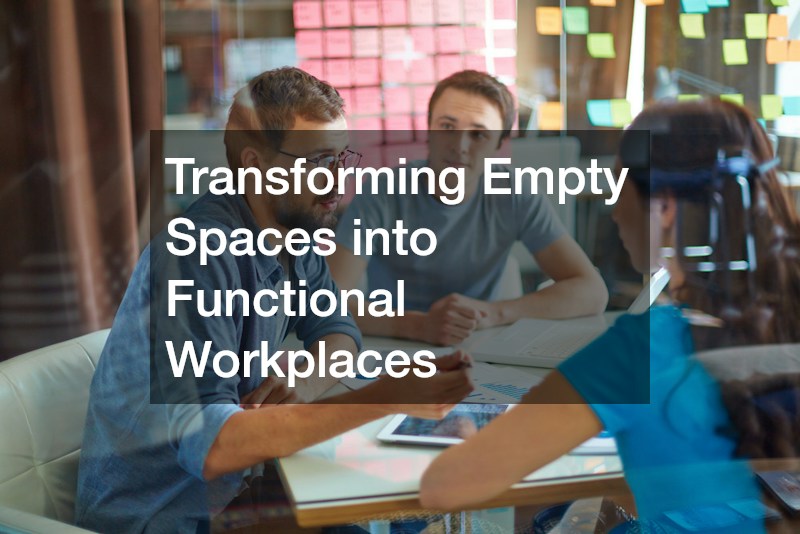
Moving into a new building rarely means the layout fits a company’s daily workflow right out of the box. Old partition walls might block natural light, or an awkward floor plan might separate teams that need to collaborate closely throughout the day. Investing in commercial remodeling allows business owners to reconfigure offices, update electrical wiring, and create welcoming reception areas tailored to their exact operations. Well-planned renovations also improve energy efficiency through modern lighting, better insulation, and balanced climate control.
Exterior appeal matters just as much as interior comfort, especially for brick-and-mortar shops, medical clinics, and client-facing firms. Cracked panes, foggy seals, or outdated doors send the wrong message before a visitor even steps through the entrance. Upgrading to modern storefront glass brightens the interior, boosts curb appeal, and adds an extra layer of security and weather protection. Clean, unobstructed windows let passersby see inside the business while keeping street noise and harsh drafts outside.
Thoughtful design pays off every single day. Employees work faster in bright, comfortable rooms, and visiting clients immediately sense that the company cares about quality.
Making a Memorable First Impression on Customers
Once a physical location is ready, local visibility becomes a top priority for attracting new foot traffic. Passing drivers and pedestrians only convert into paying customers when they can easily spot and identify the business from the road. Working with a local fabricator to design custom signs gives a brand a distinct presence on exterior walls, roadside monument boards, and lobby entrances. Clear typography, durable weatherproof materials, and proper exterior lighting help people find the building day or night.
Tangible marketing pieces reinforce that visual identity once prospects walk through the door or meet sales reps at regional trade shows. Even in a digital age, people still hold onto well-made brochures, product catalogs, presentation folders, and thick business cards. Collaborating with a reliable printing company ensures that colors match across every piece and paper stocks feel substantial in a client’s hand. Consistent print collateral makes a young organization look established, trustworthy, and attentive to small details.
First impressions happen fast in competitive neighborhoods. Clear visuals both outside and inside give shoppers confidence before a salesperson even says hello.
Keeping Daily Office Workflows Running Smoothly

Inside the office, minor equipment bottlenecks can quietly drain hours of staff time every week. Jammed paper trays, empty toner cartridges, and mystery error codes frustrate employees who simply need to print contracts, invoices, or shipping labels. Switching to a managed printer service takes those headaches off the internal team’s plate. Providers monitor ink levels remotely, deliver replacement supplies before machines run dry, and dispatch technicians quickly whenever a unit needs repair.
Digital infrastructure requires the same proactive attention behind the scenes as physical office hardware. Cyber threats, cloud storage migrations, and remote worker access have made business technology far more complex than it was a decade ago. Proactive it services monitor servers around the clock, install security patches automatically, and give staff a responsive help desk whenever software or hardware acts up. Instead of waiting for a sudden server crash to disrupt customer orders, business owners gain steady uptime and predictable monthly support costs.
Smooth daily tools keep morale high. Nobody enjoys wasting half an afternoon fighting a stubborn machine or waiting on a slow network connection.
Managing People, Policies, and Workplace Culture
As headcount climbs from five employees to twenty-five or fifty, informal management habits start to break down. Questions about paid time off, sick leave, overtime rules, and annual performance reviews require clear, written policies rather than ad-hoc answers in the hallway. Bringing in professional hr support for small business gives owners access to compliant employee handbooks, structured onboarding checklists, and practical guidance on state and federal labor laws. Good human resources practices reduce costly turnover and help managers handle sensitive workplace issues fairly.
Protecting the business and its growing workforce also involves ongoing risk management well beyond the initial startup phase. Annual policy checkups with a trusted business insurance agency ensure that coverage limits keep pace with rising payrolls, new service offerings, and updated industry regulations. Experienced brokers compare quotes across multiple carriers, explain deductible trade-offs in plain language, and help file claims smoothly if an incident ever occurs. That peace of mind lets founders make bold growth decisions without gambling the entire company on a single bad break.
Clear policies and solid coverage protect both the employer and the team. When rules are fair and risks are managed, everyone works with greater confidence.
Maintaining Clear Financial Records Through Growth
Higher sales volume brings more customer invoices, vendor bills, payroll taxes, and employee expense reports to track each month. Basic spreadsheets that worked fine during year one often become error-prone and overwhelming as daily transaction counts multiply. Relying on an experienced accounting service keeps bank reconciliations accurate, flags unusual spending trends early, and prepares clean financial statements for lenders or outside investors. Having organized books also makes year-end tax preparation routine rather than a frantic spring scramble.
Controlling everyday overhead costs goes hand in hand with strong bookkeeping and smart budgeting. Office supply bills, in particular, tend to creep upward unnoticed when individual departments order toner cartridges and paper on separate company credit cards. Consolidating print fleets under a managed printer service gives finance teams a single predictable invoice and clear visibility into how much each department actually prints. Over the course of a full year, eliminating wasted supplies and redundant desktop machines saves thousands of dollars.
Accurate numbers remove guesswork from weekly leadership meetings. Owners see exactly which products earn strong margins and where expenses need tighter limits.
Refreshing Retail and Client-Facing Locations
Customer expectations change over time, and even successful locations benefit from periodic exterior and interior updates. Worn entryways and faded exteriors can make an established company look stagnant compared to newer competitors opening down the block. Replacing aging entryway doors and installing fresh storefront glass immediately modernizes a building’s facade and invites more walk-in traffic. Modern tempered and insulated panels also help lower monthly heating and cooling bills throughout extreme summer heat and winter cold.
Updating exterior branding alongside architectural improvements maximizes the return on a facade refresh. Rebranding a company, adding new product lines, or modernizing an old logo often calls for replacing outdated plaques and sun-faded banners. Ordering new custom signs ensures that window graphics, directional parking markers, and illuminated channel letters reflect the company’s current identity. When a building’s exterior looks sharp and cohesive, visitors naturally assume the products and services inside meet the same high standard.
Small exterior improvements often generate measurable returns within weeks. Local shoppers notice fresh paint, bright lighting, and crisp lettering right away.
Producing Marketing Materials and Internal Documents

Seasonal promotions, community sponsorships, and new product launches all depend on timely promotional materials. Last-minute rush orders from unvetted online vendors often arrive with blurry images, crooked cuts, or mismatched brand colors that embarrass the sales team. Building a steady relationship with a local printing company solves those quality issues and speeds up turnaround times. Dedicated account managers keep brand files organized on hand, recommend the right paper finishes for direct mailers or event banners, and verify proofs before a single sheet hits the press.
Physical workspace needs continue to shift as teams launch new initiatives, add specialized equipment, or expand into adjacent suites. Turning an unused storage room into a bright training hub or adding soundproof rooms for private client calls keeps the workplace adaptable. Partnering with a skilled commercial remodeling contractor makes these targeted upgrades straightforward and fully code-compliant. Experienced builders coordinate city permits, electrical work, and framing around active business hours so daily operations face minimal noise or disruption.
Well-equipped workspaces and sharp printed handouts reinforce each other during client visits. Guests leave with helpful information and a clear memory of a capable organization.
Supporting Expanding Teams and New Hires
Hiring talented people is only half the battle; keeping them engaged and productive requires consistent operational backing from day one. New hires feel confident when their desk is ready upon arrival, their health benefits are explained clearly, and workplace expectations are transparent. Ongoing hr support for small business helps leadership build competitive compensation packages, run constructive feedback cycles, and stay ahead of changing employment regulations. People stay where they feel supported. Strong internal policies turn a busy office into a workplace where skilled professionals want to build long careers.
Sometimes growth means consolidating two smaller branches into one central headquarters or opening a satellite office in a neighboring city. Coordinating furniture deliveries, network equipment transfers, and archive boxes across multiple street addresses takes disciplined project management. Hiring commercial office movers for internal floor reconfigurations or branch expansions ensures heavy desks, lateral filing cabinets, and conference room tables arrive safely and on schedule. Having trained crews handle the physical logistics frees managers to focus on welcoming staff and serving customers in the new space.
Building Lasting Partnerships for Steady Growth
Successful business owners rarely try to master every specialized trade outside their core industry. Instead, they surround their companies with reliable local vendors who bring deep practical knowledge, honest pricing, and responsive service to the table. Treating outside providers as long-term partners rather than one-off emergency contacts creates stability across finance, technology, facilities, and human resources.
Regular check-ins keep those vendor relationships productive as company goals shift from year to year. Reviewing service agreements annually ensures pricing stays competitive and support levels match current headcount. When every supporting piece works cleanly behind the scenes, leadership teams gain the freedom to focus on product quality, customer loyalty, and steady year-over-year growth.