

Starting a pool business can be an exciting opportunity for entrepreneurs who want to turn a growing demand for outdoor recreation and property maintenance into a sustainable company. From pool construction and equipment installation to routine maintenance and cleaning, the industry offers several paths for building a successful business. With thoughtful planning, a clear service strategy, and a commitment to customer satisfaction, you can establish a pool company that makes a lasting impression.
Identify Your Pool Business Niche
One of the first steps in launching a pool company is determining which services you want to provide. The pool industry encompasses a wide range of opportunities, including pool installation, seasonal opening and closing, equipment repairs, routine cleaning, water testing, and renovation services. Some entrepreneurs focus on residential customers, while others pursue commercial accounts involving hotels, apartment complexes, fitness centers, and community facilities. Researching your local market can help you identify which services are in demand and where competitors may be leaving customer needs unmet. A clearly defined niche makes it easier to develop your service offerings, establish pricing, and create a recognizable brand. As your business grows, you can expand into additional services based on customer demand and available resources.
Develop a Detailed Business Plan
A well-structured business plan provides a foundation for making informed decisions as you establish your pool company. Start by outlining your target market, service area, business goals, and anticipated startup expenses. Equipment, transportation, insurance, licensing, marketing, and staffing can all contribute to your initial investment. Your plan should also include projected revenue, operating costs, seasonal fluctuations, and strategies for maintaining cash flow during slower months. Consider how you will differentiate your company from competitors, whether through specialized services, flexible scheduling, responsive communication, or a focus on environmentally conscious pool care. A detailed plan can also help you evaluate financing options and communicate your business goals to potential lenders or partners.
Understand Licensing and Insurance Requirements
Before accepting customers, research the licensing, registration, and insurance requirements that apply to pool businesses in your area. Requirements can vary depending on the services you provide and whether your company performs construction, electrical work, plumbing, or equipment installation. Certain projects may require specialized contractor licenses, permits, or inspections. General liability insurance can help protect your business from covered claims involving property damage or bodily injury, while commercial auto coverage may be necessary for company vehicles. Workers’ compensation requirements should also be considered if you plan to hire employees. Understanding these responsibilities early helps you establish a professional operation, protect your investment, and build confidence among prospective customers.
Invest in Reliable Equipment and Supplies
Having dependable equipment is essential for providing consistent pool services and maintaining efficient operations. Depending on your niche, your startup inventory may include pool vacuums, brushes, skimmers, water testing kits, pumps, filters, repair tools, and protective equipment. Choose supplies that meet the demands of your service offerings while considering durability, maintenance requirements, and long-term operating costs. You may also want to develop relationships with reputable suppliers who can provide reliable inventory, replacement parts, and technical support. For companies emphasizing environmentally conscious maintenance, offering organic pool chemicals may appeal to customers interested in alternative approaches to pool care. Carefully selecting your inventory allows you to deliver dependable service without tying up too much capital in unnecessary equipment.
Build a Recognizable Brand
A strong brand helps potential customers recognize your pool company and understand what makes it different. Begin by choosing a memorable business name, designing a professional logo, and developing consistent branding for your website, service vehicles, uniforms, and marketing materials. Your messaging should communicate the value of your services, whether that means convenience, specialized expertise, dependable scheduling, or personalized customer care. A professional website can serve as a central location for service descriptions, contact information, customer testimonials, and estimate requests. Creating business profiles on relevant online directories can also help local property owners discover your company. Consistent branding across these channels reinforces credibility and makes your business easier to remember when customers need pool services.
Establish Competitive and Sustainable Pricing
Pricing your services requires balancing customer expectations with the actual cost of operating your business. Research local competitors to understand common pricing structures, but avoid setting rates based solely on what other companies charge. Calculate labor, supplies, transportation, insurance, equipment maintenance, and administrative expenses to determine what each service needs to generate. You can offer different pricing options based on pool size, service frequency, equipment complexity, or project scope. Recurring maintenance packages may provide predictable revenue, while seasonal services can help generate additional income during peak periods. If you offer specialized treatments, including organic pool chemicals, clearly explain what the service includes and how its pricing compares with standard maintenance options.
Prioritize Customer Relationships and Retention
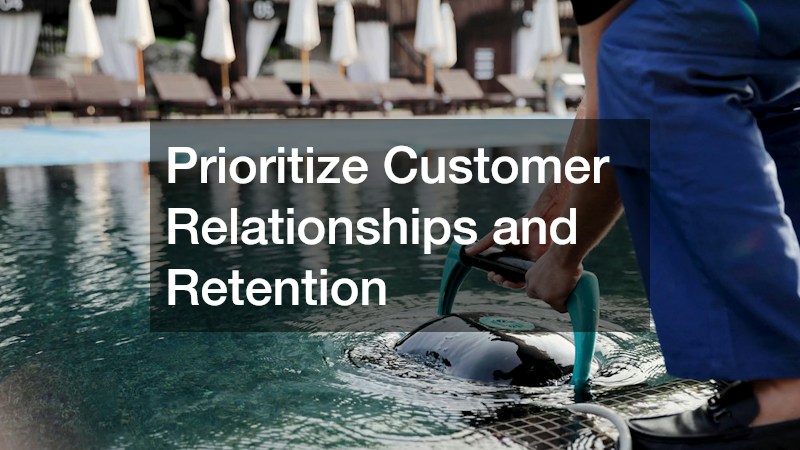
Long-term customer relationships can play a major role in the stability of a pool business. Property owners often need consistent maintenance throughout the swimming season, creating opportunities for recurring service agreements and referrals. Make communication a priority by confirming appointments, explaining recommended services, and responding promptly to questions or concerns. Keeping accurate service records can help your team understand each customer’s equipment, maintenance history, and preferences. You can also encourage repeat business through convenient scheduling, seasonal reminders, and personalized service packages. When customers feel informed and valued, they may be more inclined to continue working with your company and recommend it to neighbors, friends, and other property owners.
Plan for Growth and Seasonal Demand
Pool businesses often experience seasonal changes in demand, making thoughtful scheduling and financial planning especially important. During warmer months, your company may need additional staff, expanded service routes, and greater inventory availability to manage customer requests. Slower periods can provide opportunities to focus on equipment repairs, pool renovations, staff training, and business development. Monitor revenue, expenses, customer retention, and service profitability to identify areas for improvement. As your customer base expands, consider whether additional vehicles, employees, or specialized offerings can support sustainable growth. By combining reliable service with careful planning and a clear understanding of your market, you can build a pool business designed to thrive for years to come.
Entering the pool industry takes preparation, investment, and a strong commitment to customer satisfaction. By choosing a focused service niche, developing a practical business plan, and building a recognizable brand, you can create a solid foundation for long-term success. With dependable service, sustainable pricing, and lasting customer relationships, your pool company can make a splash in a competitive market.