Managing a modern warehouse or industrial facility requires a constant, thoughtful balancing act between day-to-day physical operations and overarching financial strategy. When high-volume distribution centers, manufacturing plants, and storage facilities run smoothly, goods move on schedule, operating costs remain predictable, and employees work in a safe, productive environment. However, when building maintenance is neglected or vehicle fleets encounter unexpected mechanical breakdowns, the cascading operational costs can quickly eat into corporate profit margins, strain vendor relationships, and disrupt entire regional supply chains.
Industrial property managers face a continuous stream of operational challenges every day. High-traffic loading docks endure constant mechanical stress from forklifts and heavy trailers. Complex environmental systems must run continuously to safeguard sensitive inventory from moisture damage and temperature spikes. Meanwhile, mobile transportation units require steady maintenance to avoid costly roadside delivery delays. Behind every physical building structure and delivery truck lies a complex web of vendor management, expense tracking, depreciation schedules, and operating budgets that demand meticulous oversight.
To maintain peak operational efficiency, facility directors must evaluate their properties through a holistic lens. Bridging the gap between physical plant maintenance, logistics fleet care, and long-term tax planning is no longer optional in today’s competitive commercial real estate market. It is the primary blueprint for building a resilient, highly profitable enterprise that stands up to market volatility, inflation, and rising operational overhead.
Structural Protection and Exterior Site Integrity
The physical shell of an industrial building serves as its primary line of defense against severe weather, drastic temperature swings, and continuous environmental wear. Industrial roofs cover vast expanses of square footage, making them particularly vulnerable to standing water after heavy rains, ultraviolet membrane degradation, and punctures caused by foot traffic during routine equipment servicing. Partnering with certified commercial roofing specialists to regularly inspect a commercial roof ensures that minor leaks, perimeter flashing issues, and drainage blockages are addressed before they cause internal inventory loss or structural steel decay. Catching membrane stress early extends the operational lifespan of the installation by years while preventing unexpected capital expenditures during peak operational seasons.
Outside the physical structure, heavy freight trucks, material handling forklifts, and yard tractors exert constant physical pressure on surrounding asphalt surfaces. Deep rutting, potholes, and surface cracking in high-traffic parking areas or loading lanes present immediate safety hazards to drivers and pedestrian workers. Engaging a qualified paving company to conduct routine crack sealing, asphalt patching, and periodic sealcoating prevents surface water from penetrating beneath the subbase layer. Smooth, well-maintained driving corridors reduce vehicle suspension wear, prevent tire blowouts, and minimize the likelihood of slip-and-fall incidents or freight damage during rapid yard maneuvers.
Climate Control and High-Voltage Power Systems
Industrial facilities rely heavily on heavy-duty heating and cooling systems to regulate internal climates, protect sensitive inventory, and maintain employee health and productivity. Large rooftop ventilation units and environmental controls undergo intense operational strain, particularly during extreme summer or winter weather conditions. Facility managers who establish structured preventive maintenance contracts with reliable ac repair contractors avoid sudden mechanical shutdowns during peak operational periods. Regular coil washing, refrigerant level checks, belt tensioning, and blower motor calibration keep climate systems running at peak energy efficiency, preventing runaway utility bills and protecting temperature-sensitive inventory throughout the warehouse floor.
Parallel to climate control is the heavy electrical infrastructure that powers high-bay lighting, automated conveyor systems, sorting machines, and manufacturing equipment. Industrial power demands require continuous monitoring to prevent phase imbalances, electrical surges, and equipment burnouts. Enlisting a licensed electrician to perform periodic infrared thermography scans on main switchboards, distribution subpanels, and high-voltage connections helps identify thermal hot spots before they lead to catastrophic electrical fires or unscheduled plant downtime. Proper electrical balancing also protects delicate digital electronic equipment from unpredictable voltage fluctuations and costly circuit damage.
Loading Docks and Essential Water Infrastructure
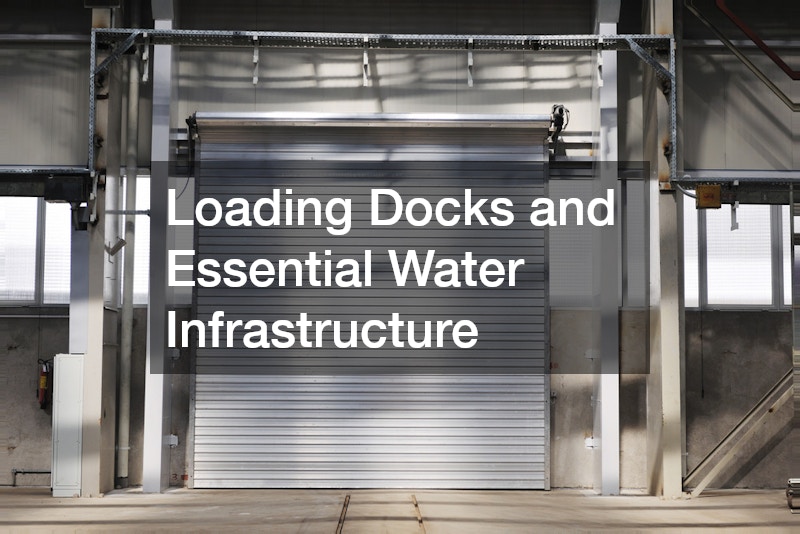
The loading dock functions as the central artery for incoming materials and outgoing finished goods. If loading bay doors fail, physical material movement comes to an immediate halt, creating severe logistics bottlenecks and missed delivery windows for transport carriers. Because overhead dock doors open and close dozens of times each day, their counter-balance springs, steel cables, guide tracks, and electric drives suffer continuous mechanical wear. Scheduling routine commercial garage door repair keeps high-speed roll-up doors, insulated sectional panels, and hydraulic dock levelers operating safely and reliably. Timely hardware servicing prevents dangerous door drops, seals out ambient outdoor air, and preserves internal climate conditions.
Equally critical, though often overlooked until a major backup occurs, is the facility water and drainage infrastructure. Industrial sites process significant volumes of water for employee restrooms, emergency eye-wash stations, break rooms, and specialized cleaning or manufacturing processes. Partnering with a professional plumbing service allows property managers to inspect backflow preventers, clear main sewer lines, and service grease traps or oil-water separators. Proactive drain maintenance prevents costly sewage backups, maintains compliance with municipal environmental discharge regulations, and ensures health and safety standards are consistently met across the property.
Implementing Smart Building Controls
Modern industrial properties increasingly rely on centralized digital networks to monitor and manage complex facility environments efficiently. Implementing commercial building automation allows plant directors to oversee heating, ventilation, interior lighting, and perimeter access controls from a single centralized interface. Automated scheduling lowers energy consumption by adjusting temperature setpoints and turning off unneeded interior lighting during off-peak hours or weekend shifts. Furthermore, smart environmental sensors can detect slight performance anomalies, sending instant digital alerts to maintenance teams before a minor system error turns into a complete operational shutdown.
Maintaining Transportation and Delivery Fleets
A warehouse cannot fulfill its core logistics obligations if transport vehicles sit idle in the yard due to unexpected mechanical breakdowns. Managing internal yard tractors, local delivery vans, and long-haul freight trucks requires a disciplined, proactive maintenance strategy. Establishing a partnership for structured fleet service repair ensures that engines, air brakes, tires, and hydraulic systems undergo regular fluid checks and preventive tune-ups. Well-maintained fleet vehicles operate safely on public highways, achieve optimal fuel efficiency, and protect company reputation by ensuring client shipments consistently arrive on schedule.
Streamlining Back-Office Finance and Tax Recovery

While physical building care demands constant operational focus, back-office financial management dictates the ultimate long-term profitability of a commercial facility. Industrial repairs, capital improvements, and equipment servicing generate an extensive volume of contractor invoices and vendor contracts. Utilizing a professional tax service helps corporate finance teams correctly categorize operational maintenance expenses versus long-term capital assets. Proper accounting classification ensures companies take full advantage of immediate expense deductions, accelerated depreciation, and energy efficiency tax incentives offered under current state and federal tax codes.
To guarantee complete compliance across all state and federal tax filings, facility operators should work closely with a knowledgeable local accountant. A dedicated financial professional understands regional tax regulations, municipal property assessments, and local business licensing requirements. They help establish accurate job-costing models that tie daily vendor payments directly to broader corporate financial goals, ensuring that every physical maintenance expense actively supports long-term profitability, tax minimization, and overall asset appreciation.
Preventive Maintenance Protocols for Envelope and HVAC
Developing a proactive physical maintenance plan requires clear scheduling across every quarter of the operational year. Rather than waiting for severe rainstorms to reveal roof leaks, facility leaders should organize semi-annual inspections of the commercial roof assembly. Clearing primary roof drains, re-sealing membrane lap seams, and repairing perimeter metal flashing dramatically reduces the risk of structural deck deterioration. Proactive care converts unpredictable roof replacement expenses into manageable, predictable annual operating budget items that protect long-term cash flow.
Similarly, seasonal weather transitions offer ideal opportunities to inspect climate control equipment thoroughly. Engaging qualified commercial ac repair contractors prior to summer heatwaves ensures filters are replaced, condenser coils cleaned, and fan assemblies balanced. Pre-season maintenance reduces emergency service calls during extreme heat spells when contractor repair rates are at their highest. Preventive steps preserve system operational efficiency, extend heavy equipment lifespans, and maintain consistent indoor air quality for warehouse staff.
Safeguarding Logistics and Internal Operations
Unexpected equipment failures at loading docks or within vehicle fleets directly disrupt supply chain commitments and increase labor overhead. When a heavy sectional dock door binds or loses cable tension, loading activities freeze instantly. Establishing a service contract for ongoing commercial garage door repair provides essential operational peace of mind. Trained technicians test photo-electric safety sensors, lubricate moving parts, and replace worn counter-weights before mechanical failures cause employee injuries or block loading bays during peak shipment hours.
In parallel, transportation fleet reliability is essential for meeting tight customer delivery schedules. Scheduling regular fleet service repair keeps delivery vans and freight trucks running smoothly on the road. Mechanics check engine oil, test brake shoes, monitor tire tread wear, and evaluate electrical systems on a recurring schedule. Keeping company vehicles in peak operating condition prevents expensive road breakdowns, lowers emergency towing costs, and eliminates lost cargo revenue caused by delayed shipments.
Electrical Upgrades and Parking Lot Longevity
As industrial operations expand, building power demands frequently exceed original electrical design capacity. Installing energy-efficient LED lighting, heavy machinery power disconnects, or vehicle charging infrastructure requires expert technical planning. Hiring a certified electrician ensures that panel upgrades meet regional electrical codes, lower monthly utility expenses, and eliminate fire risks associated with overloaded circuits. Modernizing internal power distribution enhances operational capabilities, supports future equipment expansion, and increases the commercial resale value of the property.
Outside, maintaining exterior heavy-duty asphalt is equally critical for facility safety, vehicle preservation, and overall curb appeal. Deep asphalt cracks and surface depressions left untreated allow surface water to sink into the subbase layer, freezing and expanding during cold weather to break apart surrounding pavement. Working with an experienced paving company enables asset managers to schedule surface patching, crack filling, and line striping during off-peak weekend shifts. Keeping driving lanes smooth reduces vehicle suspension damage and ensures safe footing for site staff and visitors.
Environmental Controls and Water Management
Preventing interior structural damage and managing operational utility overhead are core responsibilities of modern facility management. Hidden plumbing leaks inside large industrial facilities can waste thousands of gallons of water each month while quietly damaging concrete slab foundations. Contracting with a reliable plumbing service guarantees that main water shut-off valves remain fully operational, backflow assemblies pass required municipal testing, and storm drains remain free of obstruction. Swift response to minor plumbing leaks protects building integrity and keeps utility bills under control.
Integrating water and energy controls into modern facility management platforms gives building directors total visibility over facility operations. Advanced commercial building automation systems collect real-time diagnostic data from flow meters, climate sensors, and power subpanels. Automated alerts notify plant managers of sudden water flow spikes or abnormal temperature shifts immediately. By leveraging automated management tools, companies eliminate wasteful utility expenditures and fix hidden mechanical issues long before they damage valuable stored goods.
Capital Expenditures vs Operational Expense Strategy
Distinguishing between routine maintenance repairs and major capital improvements is essential for accurate corporate financial reporting. Minor maintenance tasks preserve existing assets and are generally deducted as current-year operational expenses. Major facility retrofits, however, extend asset life and must be capitalized and depreciated over multiple years. Working with a dedicated tax service ensures that every contractor invoice is categorized accurately on financial statements, maximizing legitimate tax deductions while ensuring full regulatory compliance with accounting standards.
Navigating complex tax write-off regulations requires ongoing collaboration between facility managers and corporate accounting teams. Consulting a skilled local accountant allows companies to review capital projects before contractor agreements are signed. Financial experts analyze options such as Section 179 expensing, cost segregation studies, and bonus depreciation to help businesses preserve valuable operating cash flow. Aligning physical plant decisions with expert tax advice ensures every dollar invested in property maintenance builds long-term shareholder value.
Integrated Operational Strategy
Effective warehouse and industrial facility management requires an integrated operational strategy that connects physical maintenance, vehicle logistics, and corporate tax strategy. Keeping building envelopes sound, mechanical systems efficient, and loading docks operational ensures smooth day-to-day material flow. Simultaneously, maintaining delivery fleets prevents supply chain delays, while smart building automation systems drive down continuous utility costs. When facility managers support these operational tasks with expert tax planning and accounting guidance, they safeguard physical assets, optimize cash flow, and ensure long-term enterprise growth.