Assessing the Scale and Scope of the Project
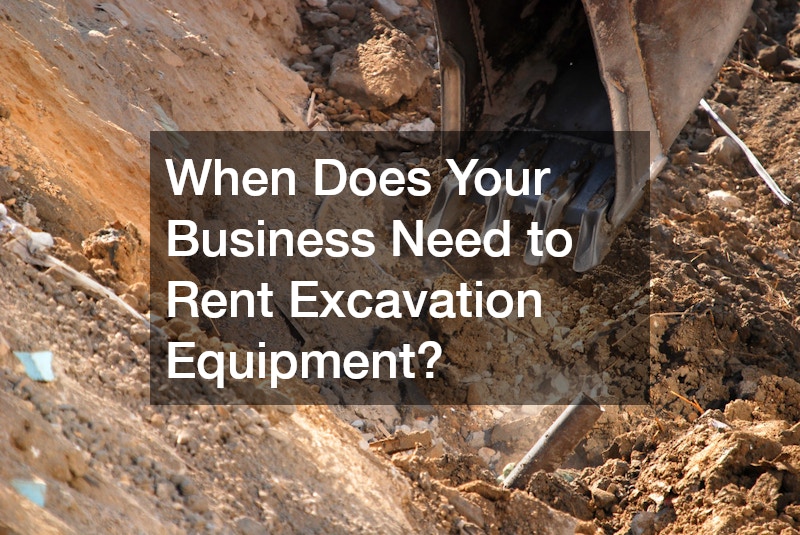
One of the primary reasons to consider excavator rental is when the scale and scope of a project exceed the capabilities of your current equipment. Larger projects often require more powerful and specialized machines, and purchasing such equipment outright can be prohibitively expensive. Renting allows businesses to access a modern fleet tailored to their needs without the capital investment.
Moreover, businesses must evaluate whether the project is a one-time endeavor or part of a recurring series. If the need for heavy machinery arises infrequently, owning an excavator can lead to unnecessary maintenance costs and depreciation. Excavator rental sidesteps these issues and provides flexibility by matching the equipment precisely to the project duration and requirements.
It is also important to consider the timeline of your projects. If your project timelines are tight and demand for construction equipment is high, excavator rental ensures immediate availability. Rental services offer quick delivery and pick-up, allowing for seamless transitions between project phases and reducing the downtime caused by equipment shortages.
Budgetary Considerations
Businesses may turn to excavator rental to better manage their budget allocations. Renting involves predictable expenses that can be planned for without the additional hassle of unforeseen maintenance or repair costs associated with ownership. For many companies, this translates to clear financial planning and the ability to allocate resources more strategically.
Additionally, renting allows businesses to experiment with different models and configurations to find the best fit without committing to a purchase. This flexibility can be particularly advantageous when project requirements vary or when a business is expanding its services. Diversifying equipment options through rental provides the opportunity to test new capabilities and improve operational efficiency.
From a financial standpoint, capital savings from renting equipment can be reinvested into other crucial areas such as workforce development, training, or supplementary tools and technology. Excavator rental can bridge cash flow gaps by avoiding large upfront expenditures and can be an integral component of a strategic financial plan for growth.
Compliance with Regulatory Standards
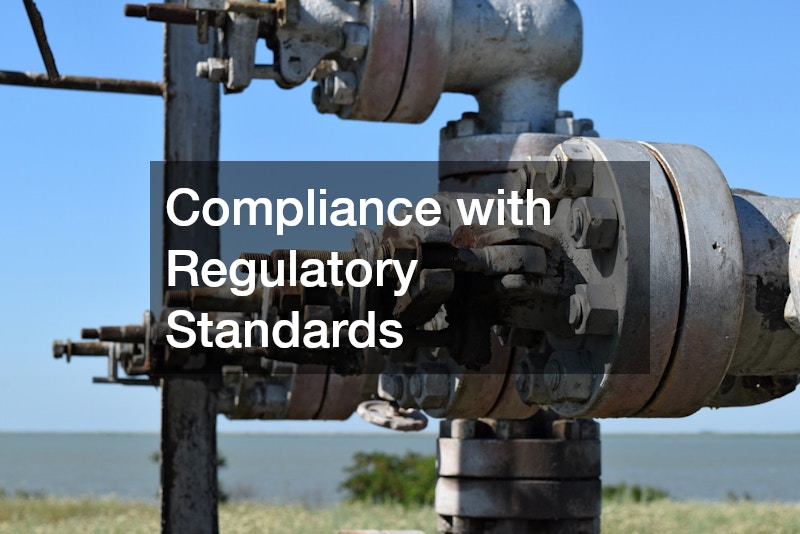
Ensuring that equipment meets the latest regulatory standards is vital in today’s construction and excavation industry. Rental companies often refresh their fleet to comply with new safety and environmental regulations, thereby minimizing the risk of using outdated machines. By opting for excavator rental, businesses can guarantee access to equipment that meets modern compliance requirements without the need for continuous upgrades.
Additionally, regulation changes can introduce uncertainty for businesses that own equipment as they may need to retrofit or replace machinery frequently. Rental agreements can save businesses from these direct costs and provide peace of mind knowing that maintenance and compliance are handled by the rental company. This focus on current standards and regulations helps businesses maintain operational credibility and safety standards.
Beyond legal considerations, rental services often include training and support to ensure equipment is operated safely and efficiently. This integration of compliance and training reduces the potential for accidents and liability issues on job sites. Excavator rental from reputable companies thus represents not just an operational decision but also a commitment to best practices in safety and compliance.
The strategic use of excavator rental can play a crucial role in the success of various projects. By evaluating the scale and scope of work, managing budgetary constraints, and ensuring compliance with regulations, businesses can make informed decisions about when rental is the right option. Weigh each of these factors carefully to determine the optimal moment to incorporate excavation equipment rental into your operations, ensuring efficiency, cost savings, and compliance with industry standards.