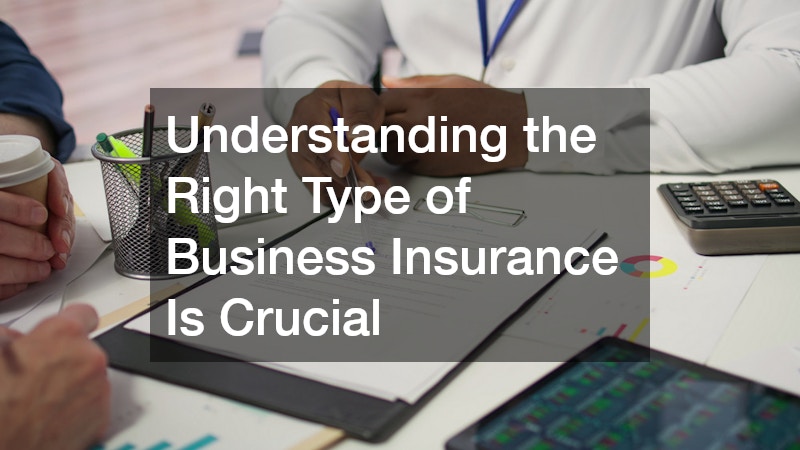
Understanding the right type of business insurance is crucial for safeguarding your company against potential risks and liabilities. This article provides comprehensive insight into the types of insurance your business might need and answers common questions surrounding business insurance.
What Are the Different Types of Business Insurance?
1. General Liability Insurance
General Liability Insurance is foundational for most businesses as it protects against third-party claims of bodily injury and property damage resulting from business operations. This type of insurance is vital since it covers legal defense costs, settlements, and judgments related to incidents on your business premises or caused by your business activities.
Additionally, it can cover advertising injury claims, which involve offenses like slander or libel that a business may inadvertently commit.
For small businesses, General Liability Insurance serves as a key protective measure against financial loss from lawsuits that could otherwise jeopardize their operations. In many cases, holding this insurance is required by businesses that lease office space, as landlords often demand proof of coverage. Even if it is not mandated, it is a prudent choice for mitigating common risks, ensuring that businesses can sustain operations without crippling legal expenses.
2. Professional Liability Insurance
Professional Liability Insurance, also known as Errors and Omissions Insurance, is important for businesses that provide expert services or advice. This coverage protects against claims of negligence or unsatisfactory work, where mistakes or oversights have resulted in client losses or damages. It covers legal defense costs and settlements, supporting professionals like consultants, lawyers, and architects in mitigating the financial impact of potential lawsuits.
This type of insurance is particularly important because even the most experienced professionals can inadvertently make errors or fail to deliver promised outcomes. Clients expect a level of accountability, and Professional Liability Insurance provides protection and reassurance that any issues will be addressed appropriately. Additionally, some industries legally require professionals to maintain this insurance to operate or obtain licenses.
How to Determine the Right Insurance for Your Business?
1. Assessing Business Risks
Determining the right insurance for your business begins with a thorough assessment of potential risks specific to your industry. Analyzing past incidents, potential liabilities, and operational complexities can help identify the coverage necessary to mitigate exposure. For example, a construction company might need more comprehensive coverage for potential accidents and equipment damage than a consulting firm.
A risk assessment also involves evaluating both external and internal factors that could jeopardize business operations. External factors include environmental threats or market volatility, while internal considerations focus on employee practices and cybersecurity vulnerabilities. Identifying these risks through systematic evaluation helps businesses prioritize insurance solutions tailored to their specific needs.
2. Understanding Legal Requirements
Understanding the legal requirements for business insurance is a crucial step in ensuring compliance and protection against potential liabilities. State laws and industry-specific regulations often dictate minimum coverage levels that businesses must carry to operate legally. For example, workers’ compensation insurance is mandated in most states for companies with employees, regardless of industry.
Beyond statutory requirements, contractual obligations might also necessitate specific insurance types. For instance, clients or partners may require proof of certain insurance certification, like Professional Liability Insurance, when signing service agreements. Failure to comply with these legal requirements can result in fines, legal action, or lost business opportunities.
What Factors Influence the Cost of Business Insurance?
1. Business Size and Type
The size and type of business significantly influence insurance costs, as insurers evaluate risk based on operational scope and industry characteristics. Larger businesses generally face higher premiums due to increased exposure and potentially more complex risk factors. Similarly, high-risk industries, such as construction or manufacturing, often incur higher insurance expenses compared to low-risk sectors.
For small businesses, insurers typically assess annual revenues, employee numbers, and geographic location when determining premiums. Compared to larger enterprises, small businesses may benefit from less expensive policies if they face fewer inherent risks. Nonetheless, it’s crucial for all businesses, regardless of size, to obtain adequate coverage to protect against liability claims and unforeseen events.
2. Coverage Amount and Deductibles
The balance between coverage amounts and deductibles is a critical factor affecting business insurance costs. Higher coverage limits ensure comprehensive protection, but they typically come with higher premium payments. Conversely, selecting higher deductibles can reduce premium costs, yet this requires businesses to absorb greater out-of-pocket expenses when claims arise.
Determining the optimal balance depends on a business’s financial capabilities and risk tolerance. Some businesses choose lower coverage limits and higher deductibles to minimize ongoing expenses, while others prioritize robust protection with more extensive coverage. Careful evaluation of potential risks and expected claim frequency supports informed decision-making regarding coverage amounts.
Conclusion
In conclusion, picking the right type of business insurance involves evaluating your business risks, understanding legal requirements, and considering cost factors. It’s important to have an informed approach to protect your business’s future effectively. Consult with insurance professionals to tailor an insurance plan that fits your company’s unique needs.